Und dann auf "Zum Home-Bildschirm [+]".

Stöbern
genialokal zum Startbildschirm hinzufügen
Installieren Sie die genialokal App auf Ihrem Startbildschirm für einen schnellen Zugriff und eine komfortable Nutzung.
Installieren Sie die genialokal App auf Ihrem Startbildschirm für einen schnellen Zugriff und eine komfortable Nutzung.
Ihr gewünschter Artikel ist in 0 Buchhandlungen vorrätig - wählen Sie hier eine Buchhandlung in Ihrer Nähe aus:

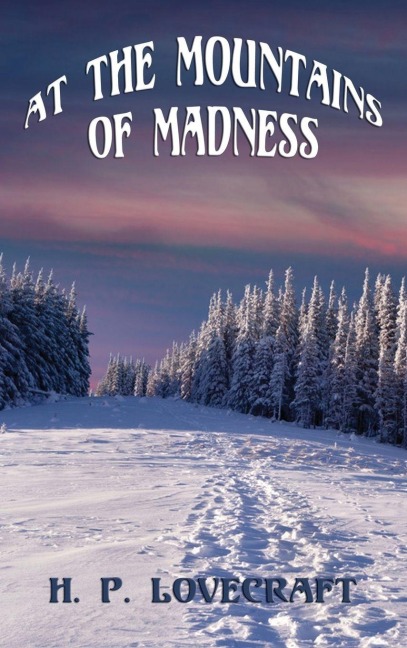
Professor William Dyer of the the Miskatonic University knew that the antarctic was a forlorn, dangerous place, but nothing could have prepared him and his expediting for what they would find in the Mountains of Madness. They discover an abandoned city from ancient times. But is it really abandoned? And will any of them be able to get out alive? A sublime horror novel by one of the greatest horror writers of all time.
H. P. Lovecraft was an American writer of horror, fantasy, and weird fiction whose work became one of the central influences on twentieth-century supernatural literature. Born in Providence, Rhode Island, in 1890, Lovecraft wrote stories, poems, essays, letters, and criticism, often publishing in amateur journals and pulp magazines during his lifetime. His fiction is known for decaying New England settings, ancient survivals, forbidden books, dream-worlds, monstrous gods, alien immensities, and a vision of human existence dwarfed by forces beyond comprehension.Lovecraft's influence grew dramatically after his death in 1937, especially through the efforts of later editors, publishers, and writers who preserved and promoted his work. His stories helped define what is now called cosmic horror: fiction in which fear arises not simply from ghosts or monsters, but from the discovery that the universe is older, stranger, and more indifferent than human beings can bear to know. Works such as "Dagon," "Nyarlathotep," "The Statement of Randolph Carter," and "The Cats of Ulthar" show the development of themes that later became central to his reputation.Modern readers also encounter Lovecraft with awareness of the racism and xenophobia present in parts of his life and writing. Those elements should not be ignored, but neither do they erase his importance to weird fiction, horror, dark fantasy, and the development of modern supernatural literature. His work remains central for readers interested in classic horror, pulp magazines, cosmic dread, dream fantasy, and the literary history of fear.