
Stöbern
genialokal zum Startbildschirm hinzufügen
Installieren Sie die genialokal App auf Ihrem Startbildschirm für einen schnellen Zugriff und eine komfortable Nutzung.
Installieren Sie die genialokal App auf Ihrem Startbildschirm für einen schnellen Zugriff und eine komfortable Nutzung.
Tippen Sie einfach auf Teilen:
 Und dann auf "Zum Home-Bildschirm [+]".
Bei genialokal.de kaufen Sie online bei Ihrer lokalen, inhabergeführten Buchhandlung!
Ihr gewünschter Artikel ist in 0 Buchhandlungen vorrätig - wählen Sie hier eine Buchhandlung in Ihrer Nähe aus:

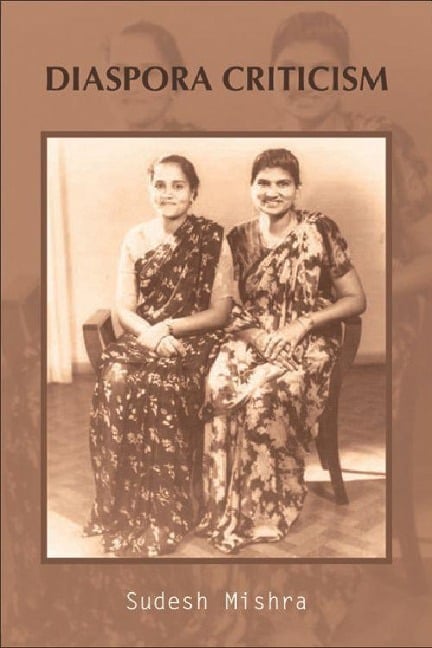
The first introduction to the field of Diaspora criticism that serves both as a timely guide and a rigorous critique.Diaspora criticism takes the concept 'diaspora' as its object of inquiry and provides a framework for discussing displaced communities in a way that takes contemporary social, cultural and economic pressures into account. It also offers an alternative to Postcolonial Studies. This book is the first to provide an accessible overview of the critical trends in Diaspora criticism and to critically evaluate the major Diaspora critics and their models, with the aim of adding to the debate on methodology.This authoritative account will be of interest to those working in Diaspora Studies and its related fields of History, Literature, Art, Sociology, Population and Migration Studies, Politics, and Ethnic and Postcolonial Studies.Features*The first full account of the critical trends in the most exciting area of contemporary research and analysis. *Locates Diaspora criticism in a specific historical context, pinpoints its emergence as a critical discourse and provides an overview of the debates that have shaped the genre.*Critically analyses the approaches of the main diaspora theorists including William Safran, Jonathan Boyarin, Paul Gilroy, James Clifford, Stuart Hall, Rey Chow, Avtar Brah and Vijay Mishra.
Sudesh Mishra is Senior Lecturer in the School of Creative and Communication Studies at Deakin University, Victoria, Australia. He is the author of Preparing Faces: Modernism and Indian Poetry in English (Flinders University and University of the South Pacific, 1995).
Preface; Chapter 1 Prologue to a Generic Event; Chapter 2 The Scene of Dual Territoriality; Chapter 3 The Scene of Situational Laterality; Chapter 4 The Scene of Archival Specificity; Chapter 5 The Three Pillars of Diaspora Criticism; Chapter 6 In Lieu of an Epilogue.