
Stöbern
genialokal zum Startbildschirm hinzufügen
Installieren Sie die genialokal App auf Ihrem Startbildschirm für einen schnellen Zugriff und eine komfortable Nutzung.
Installieren Sie die genialokal App auf Ihrem Startbildschirm für einen schnellen Zugriff und eine komfortable Nutzung.
Tippen Sie einfach auf Teilen:
 Und dann auf "Zum Home-Bildschirm [+]".
Ihr gewünschter Artikel ist in 0 Buchhandlungen vorrätig - wählen Sie hier eine Buchhandlung in Ihrer Nähe aus:

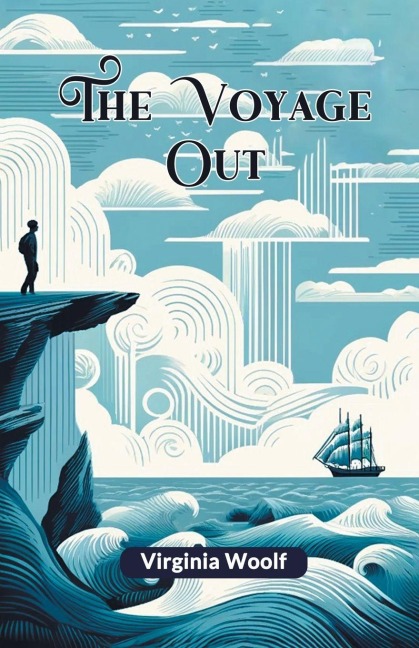
"The Voyage Out" by Virginia Woolf is a modernist novel that delves into the psychological depth of its characters, particularly focusing on themes of feminism and coming of age. The story follows Rachel Vinrace, a young English woman, as she embarks on a journey of self-discovery and exploration. Rachel travels from England to South America on her father's ship, seeking independence and an escape from the restrictive social norms of early 20th-century society. During the voyage and her subsequent stay at a hotel in a fictional South American town, she forms various relationships that challenge her understanding of herself and the world around her. Throughout her travels, Rachel grapples with questions of identity and societal expectations. She encounters different perspectives on life, love, and independence, which profoundly impact her growth and self-discovery. The novel explores her inner struggles and the external influences that shape her journey. "The Voyage Out" is a rich exploration of character and society, offering insights into the challenges of self-discovery and the impact of societal expectations on individual lives. Virginia Woolf's modernist narrative captures the essence of a young woman's quest for identity and independence against the backdrop of a transformative journey.
Virginia Woolf, born Adeline Virginia Stephen on January 25, 1882, in London, England, was a pioneering English writer and a key figure in the modernist literary movement of the 20th century. She is renowned for her innovative narrative techniques, profound explorations of the human psyche, and her contributions to feminist literary criticism. Some major works are Mrs Dalloway (1925): A novel that explores a single day in the life of Clarissa Dalloway, capturing her thoughts and experiences in a stream-of-consciousness style. · To the Lighthouse (1927): A deeply introspective novel that examines the complexities of family life and the passage of time. · Orlando (1928): A whimsical and gender-bending novel following the life of its protagonist over centuries, exploring themes of gender and identity. · A Room of One's Own (1929): An extended essay based on lectures Woolf delivered, advocating for women's intellectual freedom and financial independence.· The Waves (1931): A poetic novel that uses soliloquies to delve into the inner lives of six characters from childhood to adulthood. Virginia Woolf's literary innovations, particularly her use of stream-of-consciousness and her focus on the inner lives of her characters, have left a lasting mark on modernist literature. Her exploration of themes such as identity, gender, and the human condition, along with her advocacy for women's rights and intellectual freedom, have made her an enduring figure in literary and feminist studies. Woolf's work continues to be studied, celebrated, and revered for its depth, beauty, and profound insight into the human experience.
